Season 14
A memory from family gatherings sparked an idea that eventually became a nationally recognized product.
At family gatherings, my mother needed extra tongs for serving, so she'd tape plastic utensils to clothespins to create makeshift tongs. It was a resourceful hack — and the kind of everyday frustration that stuck with me.
Years later, I started looking at the kitchen tongs market more seriously and saw a gap: what if you could turn any utensil into tongs? The first prototype was rough — homemade, held together with tape — but it was enough to start exploring whether anyone else cared about the same problem.
This felt like a natural extension of my product design work — find a real problem, validate it with research, and iterate toward a solution. The main difference was that this time, the product was physical.
Before spending a dime on manufacturing, the concept needed real data — applying UX research methodology to test whether the market actually wanted it.
The instinct from product design work carried over here: don't build until you know people want it. That meant running Google Surveys targeting specific demographics, using Pollfish for targeted polls across key consumer markets, and commissioning 3D renderings of the product concept — embedding them directly into surveys so respondents could see and react to the product before it existed.
Targeted demographics to test product interest and purchase intent
Consumer polls across key markets to gauge price sensitivity
Realistic product concepts embedded directly into surveys
The data came back with strong positive signals: consumers resonated with the space-saving, hygienic, and versatile positioning. Having real data meant moving forward with confidence rather than assumptions.
"The approach was the same as any UX research project — before spending a dollar on manufacturing, the idea needed real data, real signals from real consumers, confirming it had legs."
31 days. 974 backers. A first real market test for the product.
Day 1: 131 backers pledged over $4,000 — hitting 40% of the funding goal in the first 24 hours.
The campaign involved strategy, copy, imagery, reward tiers, and outreach. A promo video was commissioned from a production team to give the campaign a professional visual anchor.
Backer communications, updates, and fulfillment logistics ran throughout the campaign. The Kickstarter success was the first external signal that this wasn't just a personal project — there was real demand.
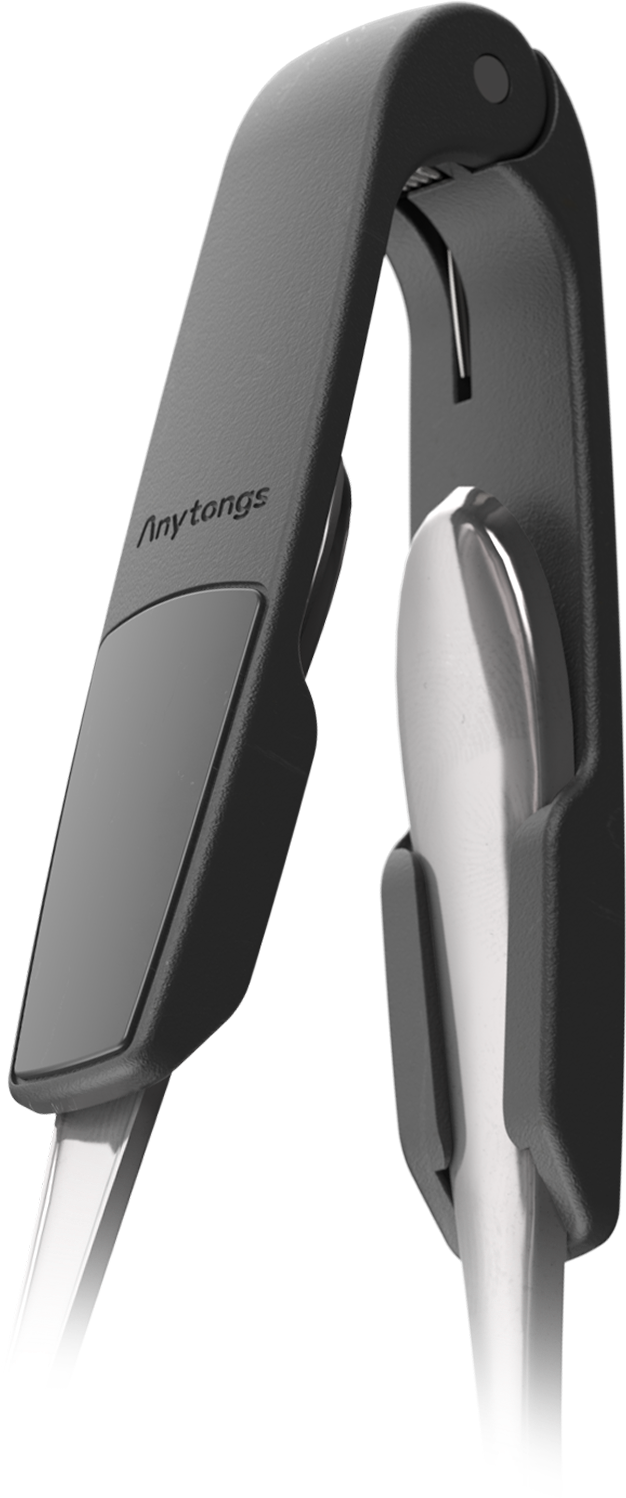
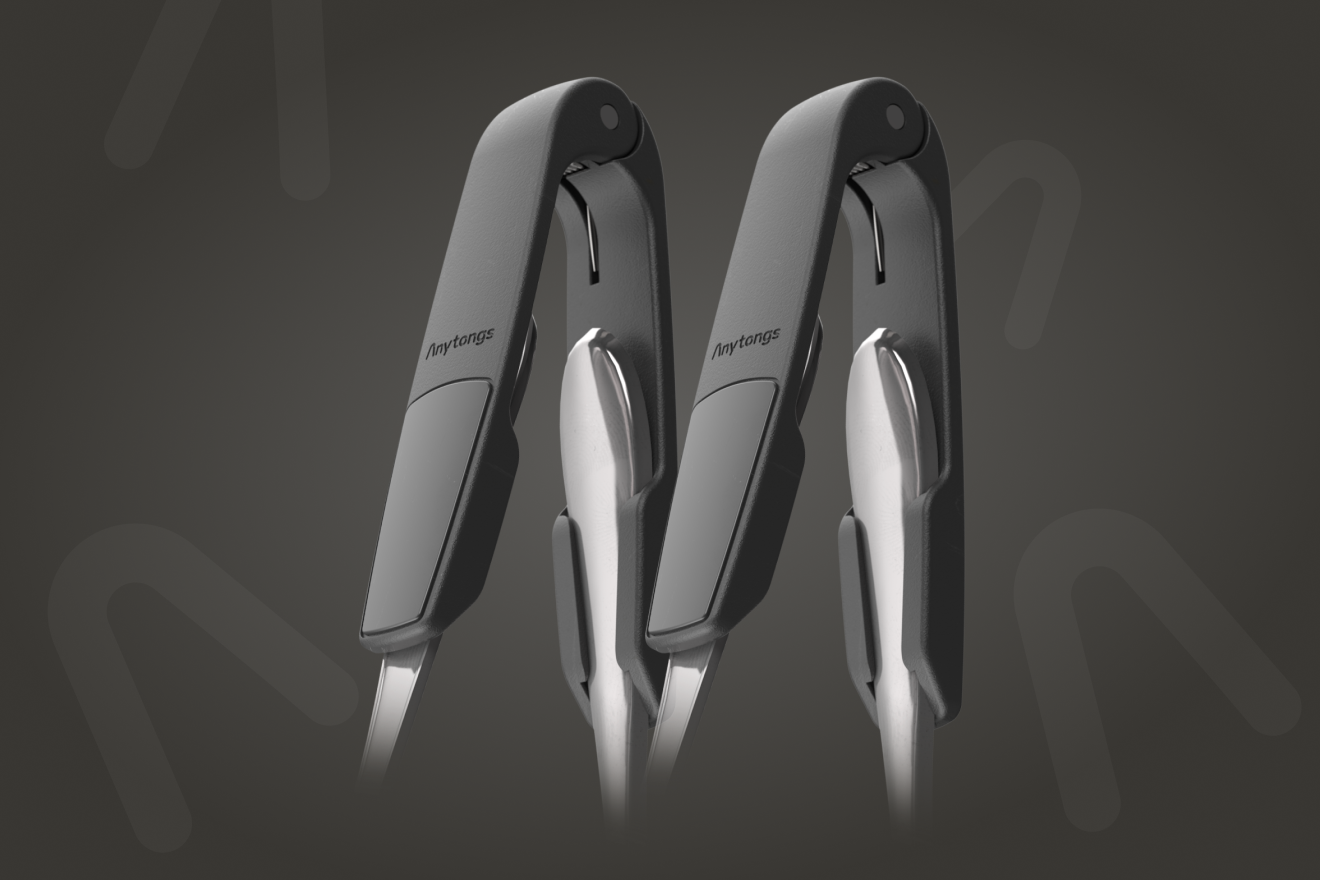
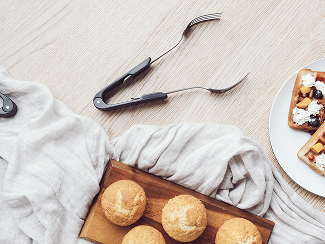
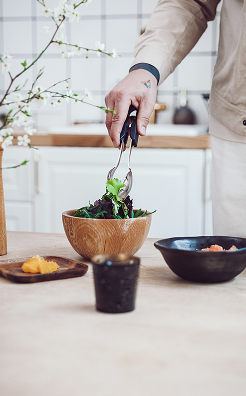
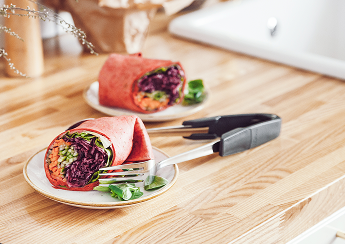
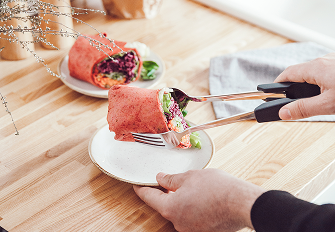
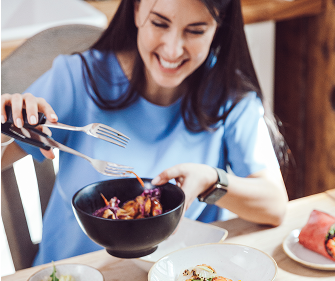
Turn any utensil into tongs — instantly. A simple, clever mechanism that solves a real kitchen problem.
From the name and logo to packaging, photography, and Shopify store — every brand touchpoint was designed from scratch.
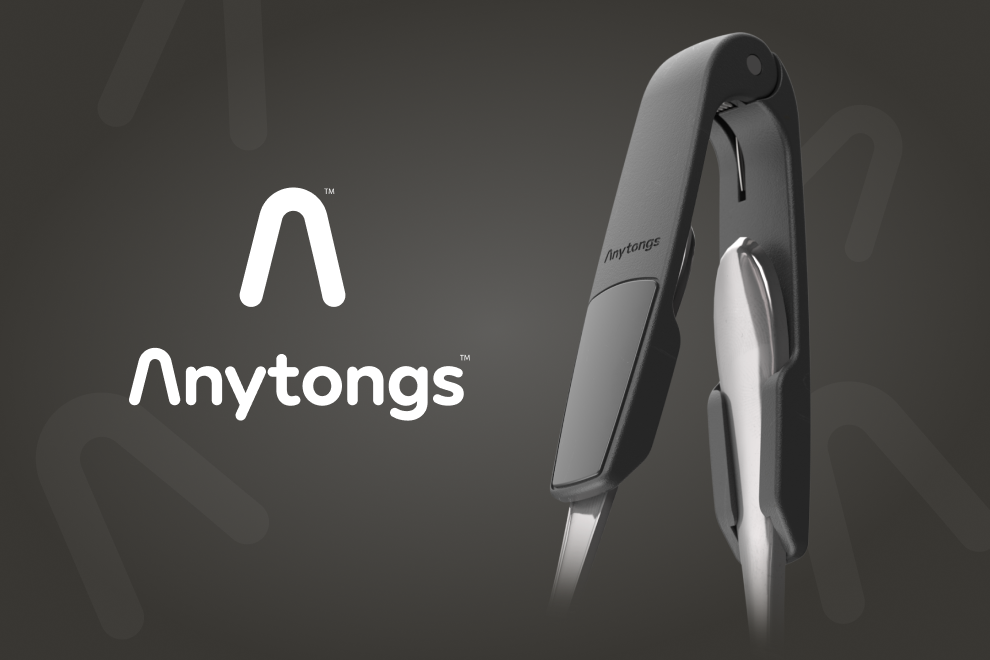
The Anytongs brand identity was designed to be clean, modern, and instantly recognizable. The bold sans-serif wordmark is paired with a distinctive shape mark — an abstract representation of the tong mechanism itself — creating a visual system that's simple enough for a favicon yet striking enough for packaging and merchandise.
Every element was designed with scalability in mind: the logo works at 16px for social avatars and at billboard scale. The black-and-white system ensures legibility across any background, from Kraft packaging to dark Shopify storefronts.
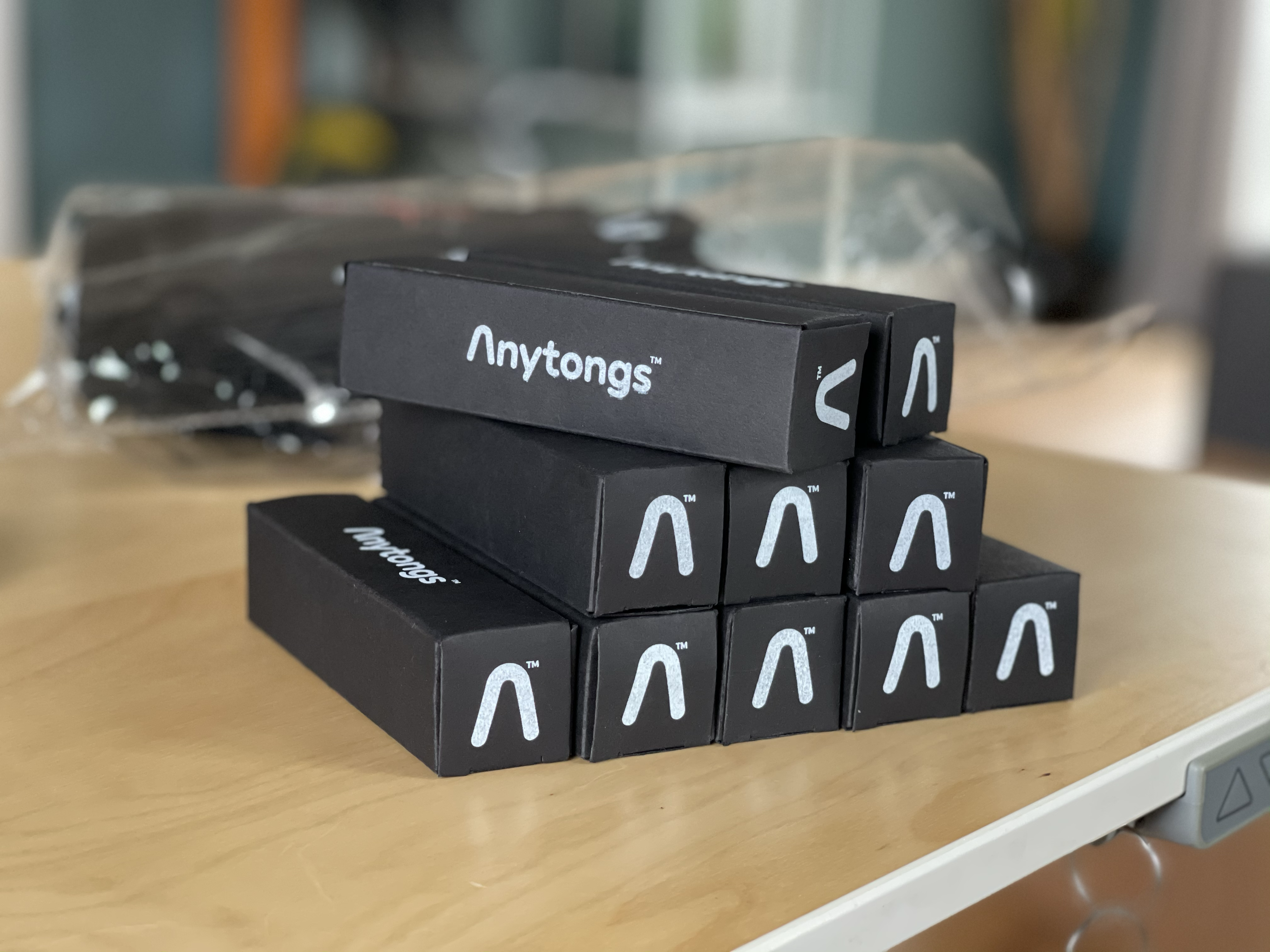
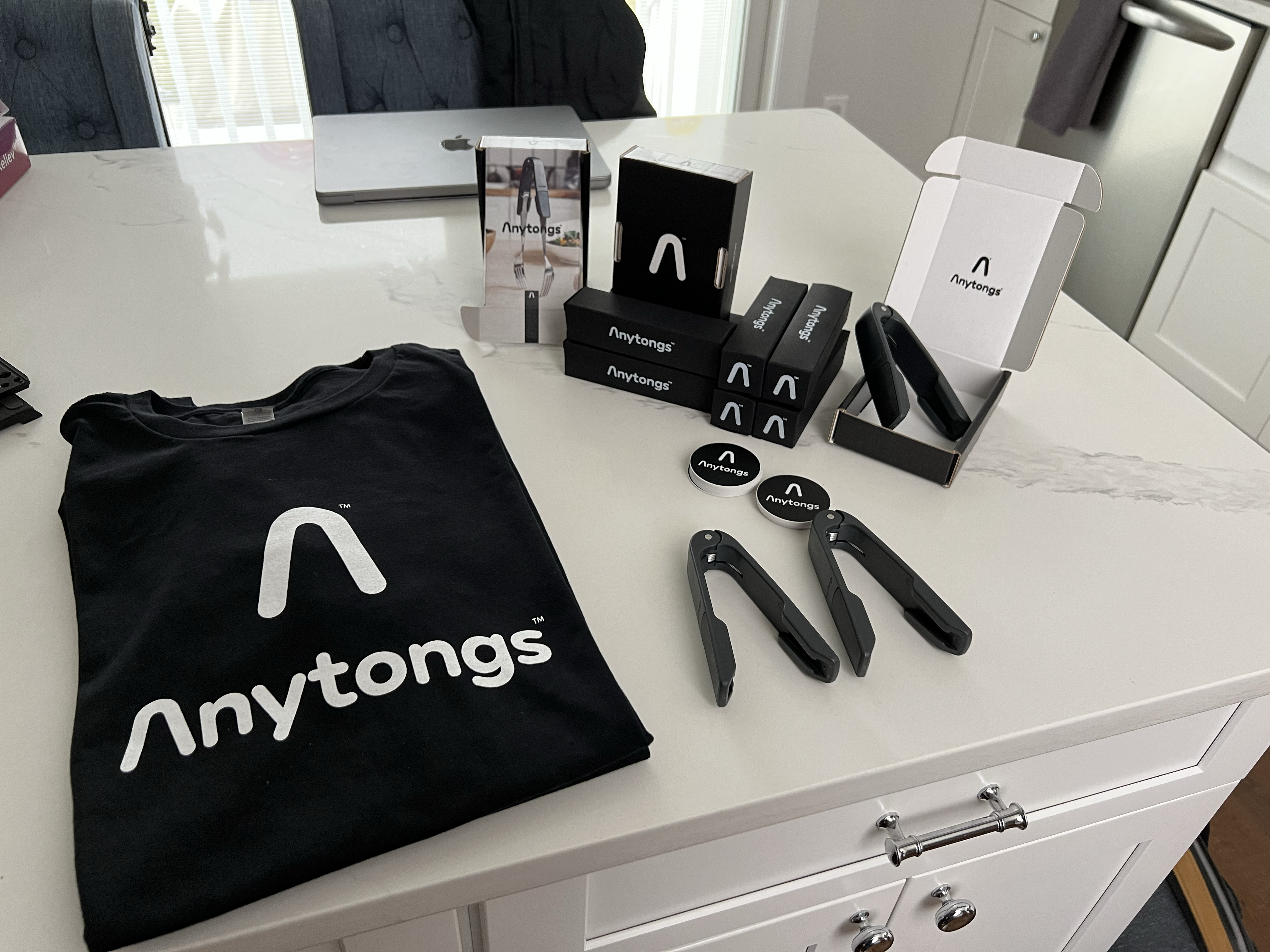
Beyond the product itself, the brand extended into stickers, branded packaging inserts, thank-you cards, and promotional materials — all designed to reinforce the Anytongs identity at every customer touchpoint. The eco-friendly Kraft packaging was a deliberate choice, reflecting the product's practical, no-nonsense positioning.
AI wasn't just a tool — it became the backbone of multi-channel sales, marketing, and customer operations at scale.
"AI handled the repetitive work — campaign optimization, customer responses, inventory alerts — which freed up space to focus on the product and the bigger decisions."
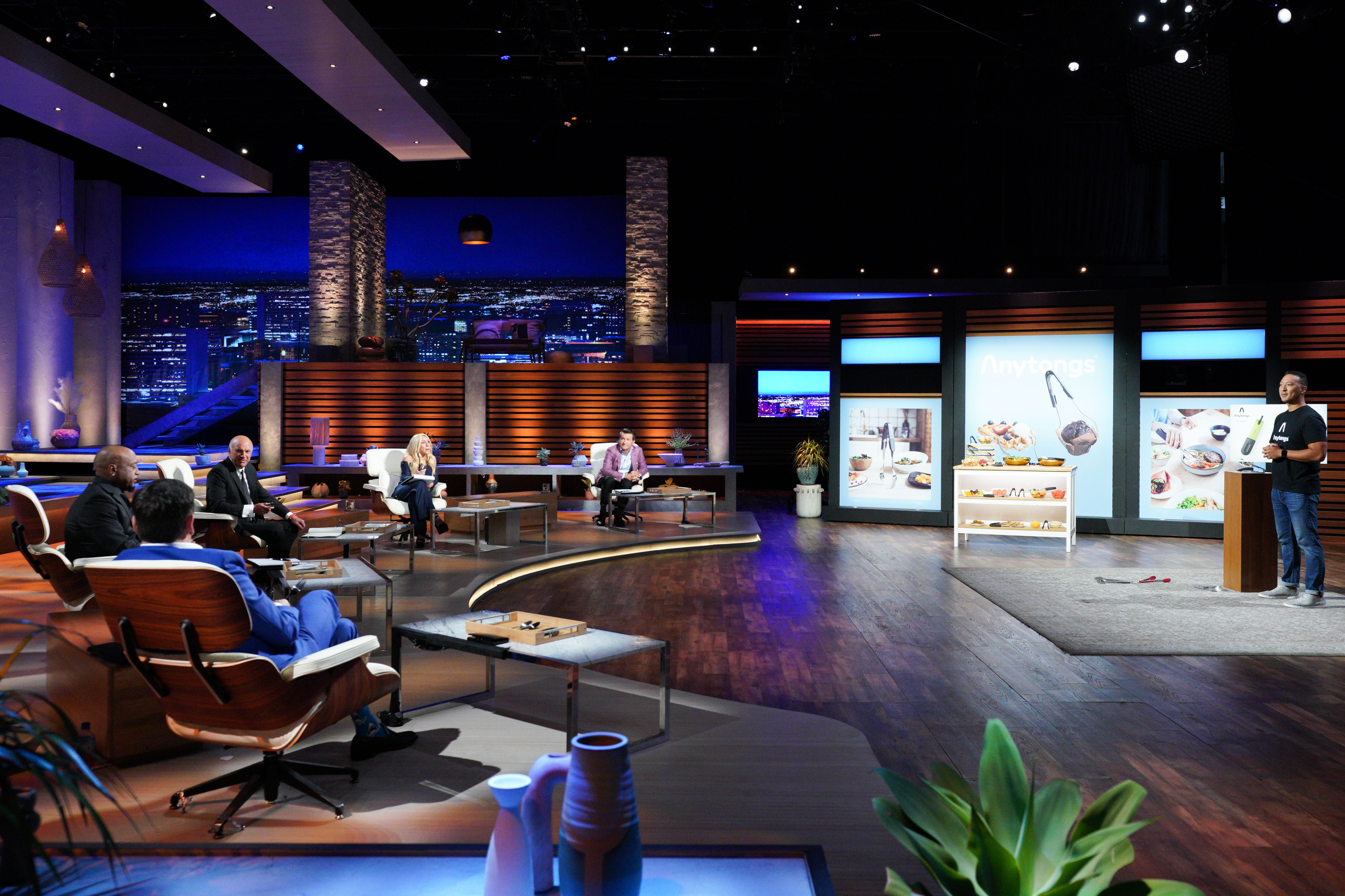
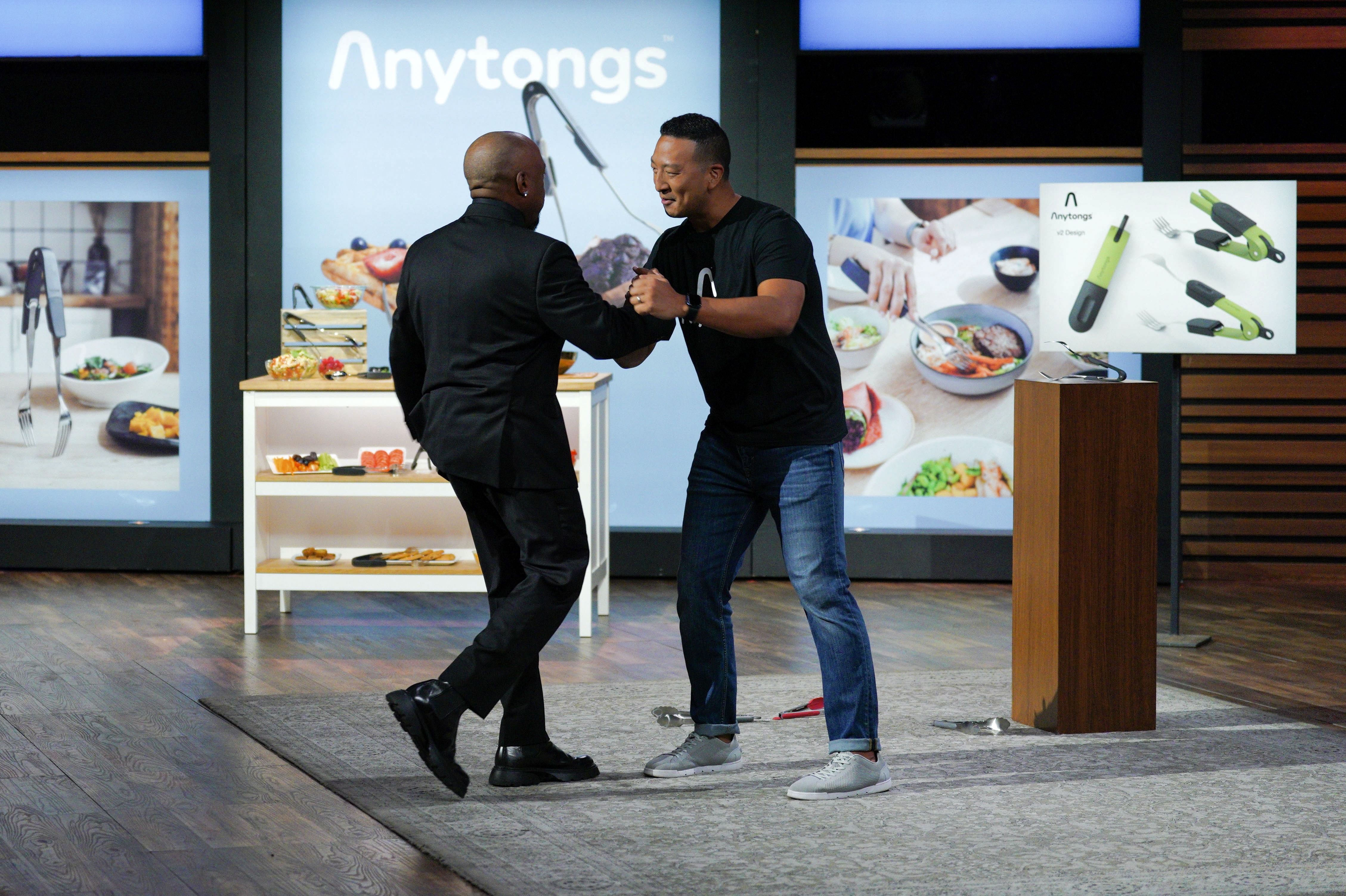
Season 14, Episode 13 — pitching to the biggest investors in America and walking out with a deal from Daymond John.
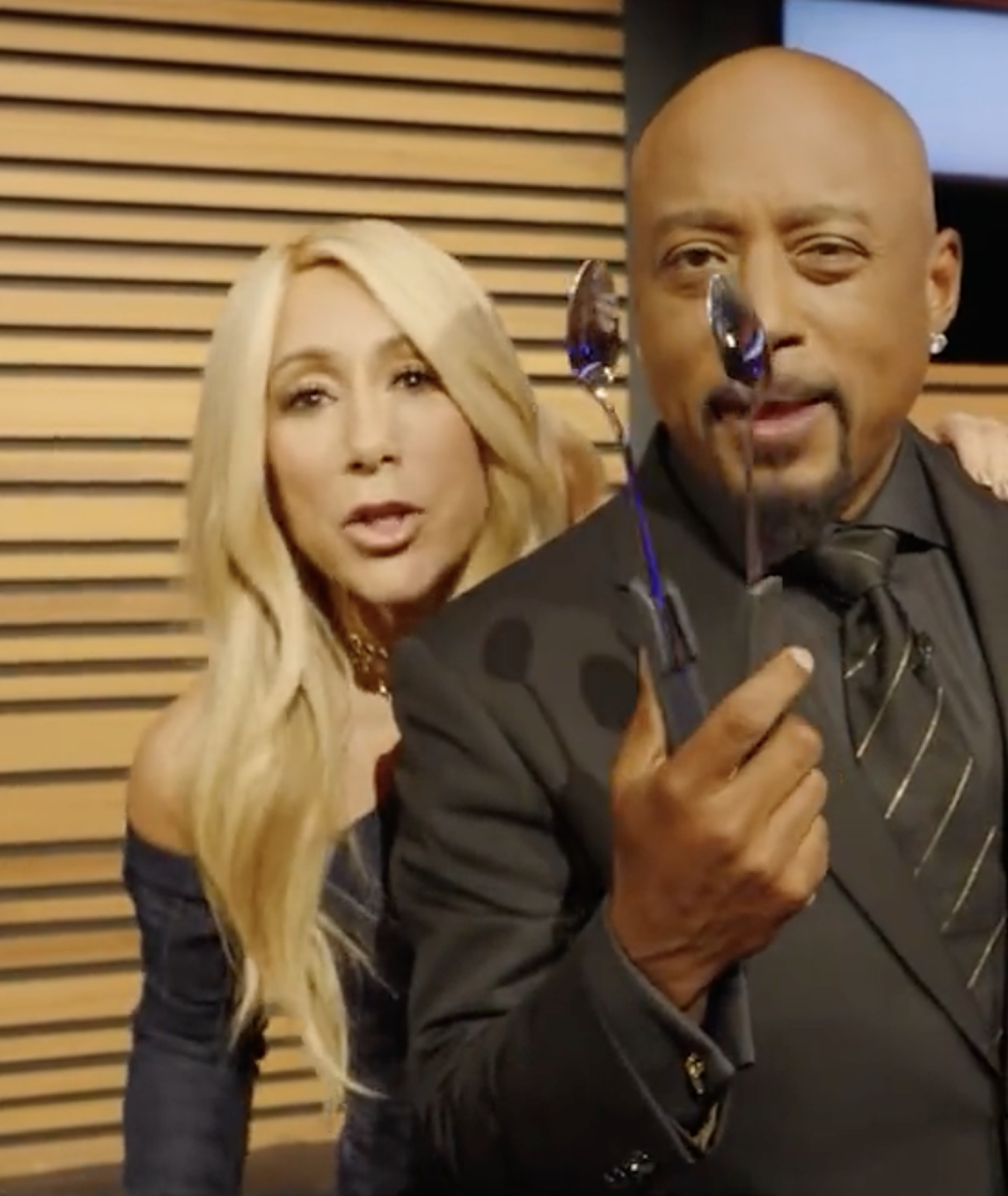
"Getting a deal with Daymond John was an incredible opportunity — not just for the investment, but for the chance to learn from someone who built FUBU from the ground up. And beyond that, having the product validated on national television gave Anytongs a level of social credibility and recognition that no amount of marketing could replicate."
A snapshot of Anytongs across all channels — shaped by design thinking, validated through research, and supported by AI.
How $220K+ in total revenue breaks down across sales channels.
Inspired by mom's clothespin + utensil hack. Market validation via Google Surveys & Pollfish.
Funded 40% on Day 1. Closed at $33,454 — 335% funded with 974 backers.
Design shop partnership, China sourcing, COVID delays. Amazon Seller Central launched.
Name, logo, all creative designed. Shopify store launched. Warehouses in TX & CA.
Season 14, Episode 13. Deal with Daymond John: $150K for 49%. Inventory sells out post-airing.
3,162 orders, $82,771 in Shopify sales. The Shark Tank effect in full force.
$220K+ total lifetime revenue across all channels. Business continues growing.
Honest takeaways from building a physical product business while working a full-time design career.
UX research skills — surveying users, testing concepts, synthesizing data — translated directly to product validation. Knowing how to ask the right questions before building helped avoid expensive mistakes.
AI handling marketing campaigns, customer service workflows, inventory tracking, and multi-channel management made it possible to operate this business alongside a full-time career. It filled the gaps and handled the work that would have otherwise required a team.
The same process of empathizing with users, defining problems, ideating solutions, and iterating — it works just as well for physical products, brand identity, and e-commerce experiences as it does for software.
Kickstarter wasn't just about raising money — it was a structured way to test market demand, build an audience, and create momentum before the product even existed. The principles aren't that different from a beta launch in software.
Anytongs is a case study in how product design skills — research, design, systems thinking — can extend beyond digital into the physical world.